Natural Dyeing with Avocados
Every fiber enthusiast has probably experimented with natural dye at least once in their lives! It’s just part of the experience, and whether you are successful or not, it’s always a fun time.
Several years ago I dyed lots of linen scraps with black beans (purple), marigolds (yellow), and avocados (pink). Avocado dyeing is actually one of the easiest ways to get started with natural dye, because you will always get at least a subtle pink. Because of this, I was inspired to create a simple natural dye tutorial!
There are many ways to prep your fabric or yarn for natural dye, and let me be the first to reassure you that I am most certainly NOT an expert in any of these ways (called ‘mordanting’). I only ever use alum (non-toxic and found in your grocery store’s spice aisle) to mordant my fabrics and yarns, and I have had fairly good luck with things not fading too badly. I use alum for both plant and animal fibers (cotton/linen and wool/alpaca/etc), but I am hoping to learn more about mordants in the future!
Here is my very simple, very beginner, very amateur method for natural dyeing. I’ve used this method with all kinds of materials, but today we’re just going to focus on avocado pits and cotton thread!
I am a weaver, so I love experimenting with different fibers for my pieces. I was planning my spring collection at this time, and wanted to include a scarf and a crop top that both featured naturally dyed pink cotton.
To begin, you’ll need:
2 saucepans, depending on how much you want to dye. I just dyed a few hanks of cotton thread.
Alum (available in the spice/baking aisle of most grocery stores!)
3-4 avocado pits (I like to freeze them in a bag until I’m ready to use them)
Cotton thread or fabric
Water
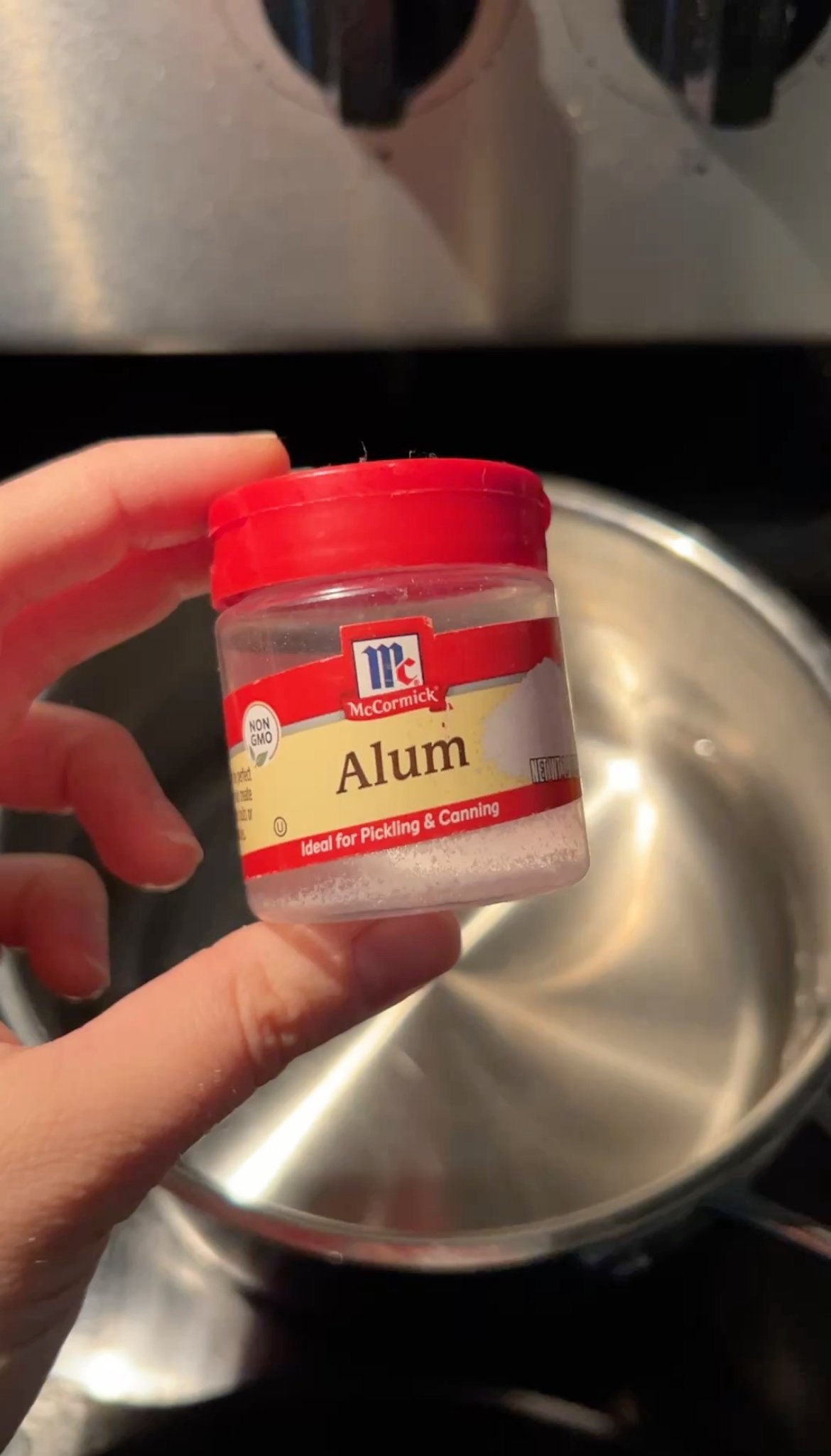
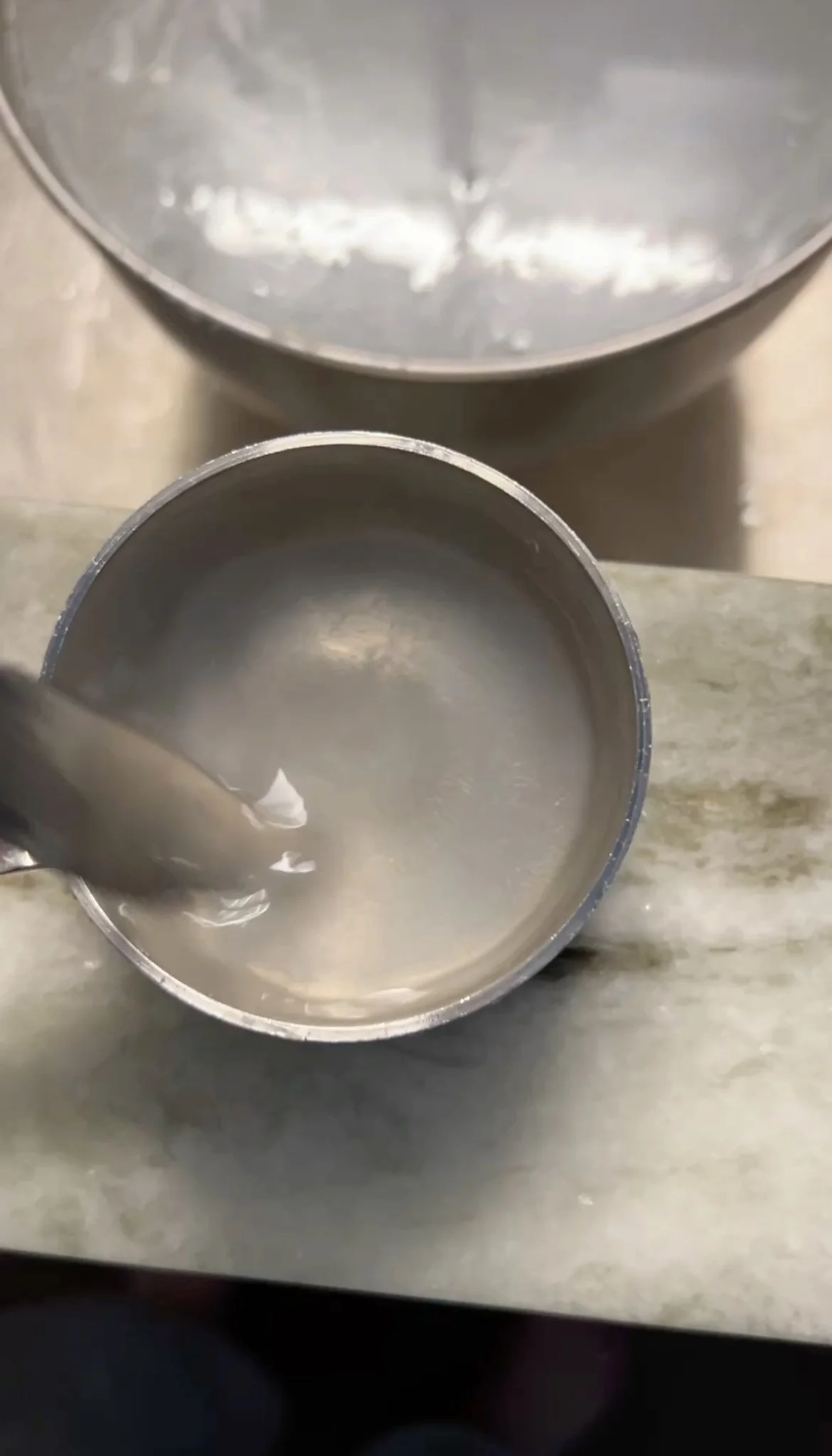
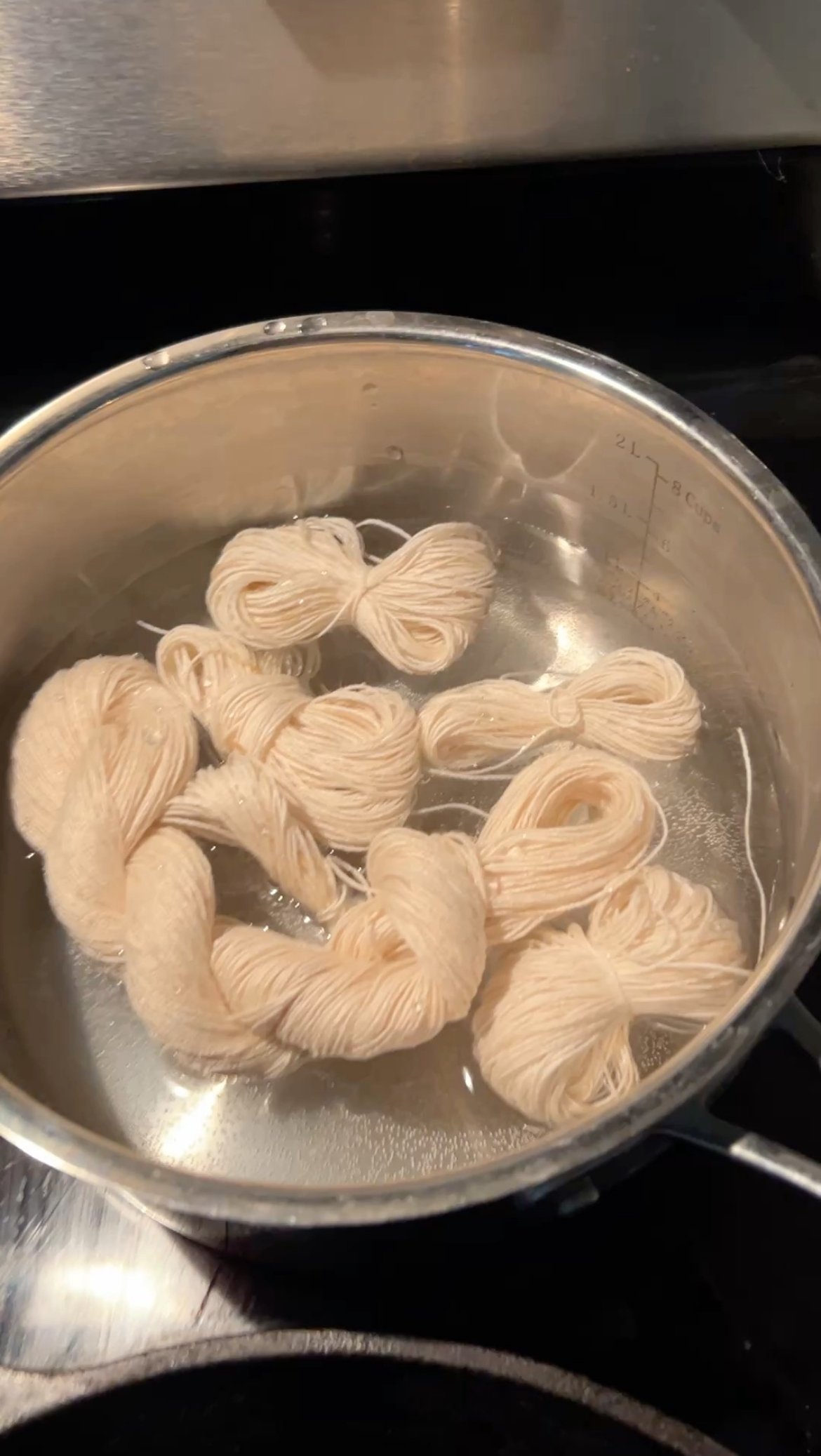
First, you’ll dissolve about a tablespoom of alum in a half cup of hot water. Then, bring a saucepan of water to a simmer and pour in the dissolved alum. This is your mordant! Add your cotton fabric or thread or yarn to this saucepan and let it simmer for about an hour. This will help your dye set into the fabric or thread. Let it cool after this!
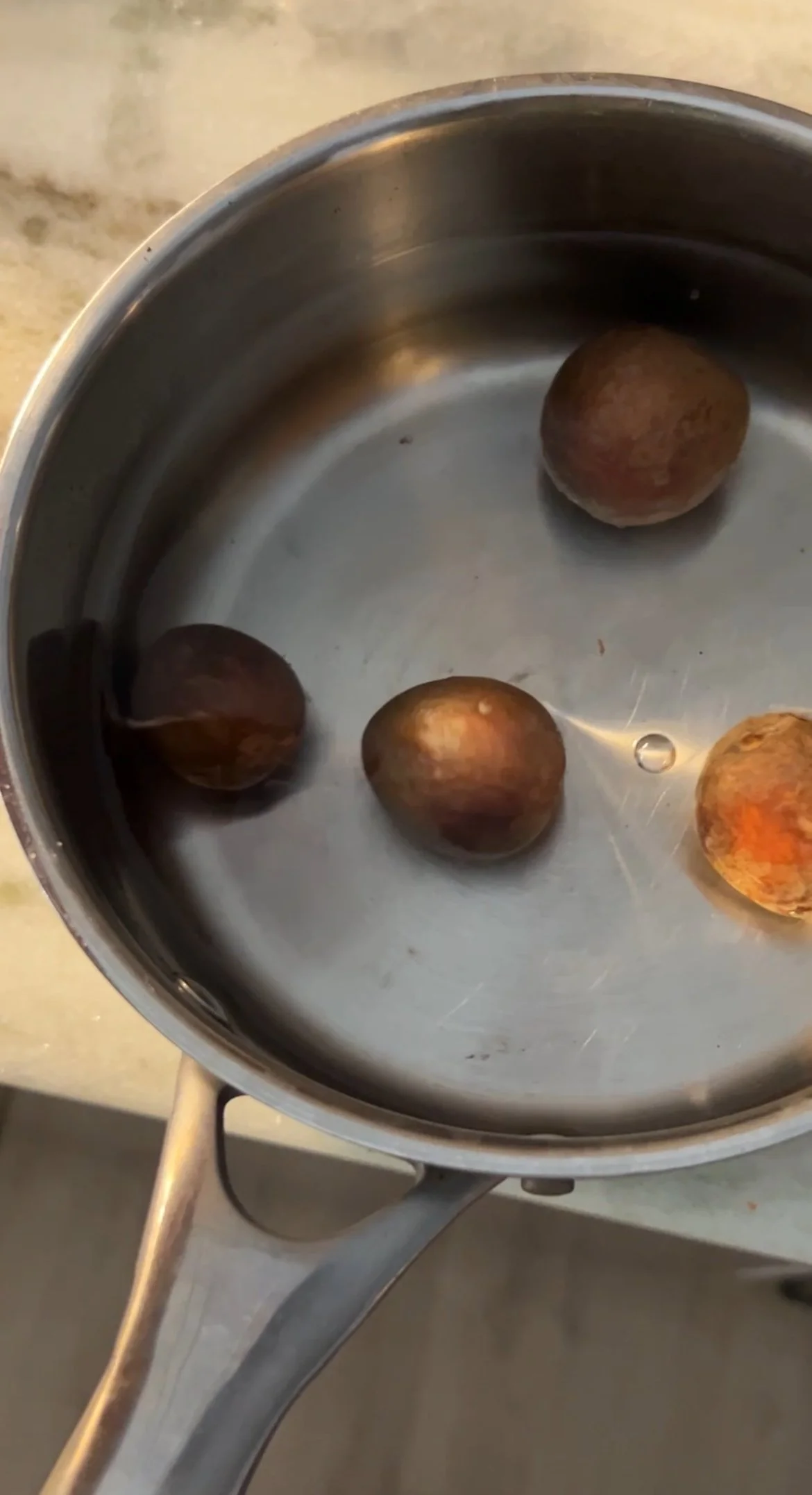
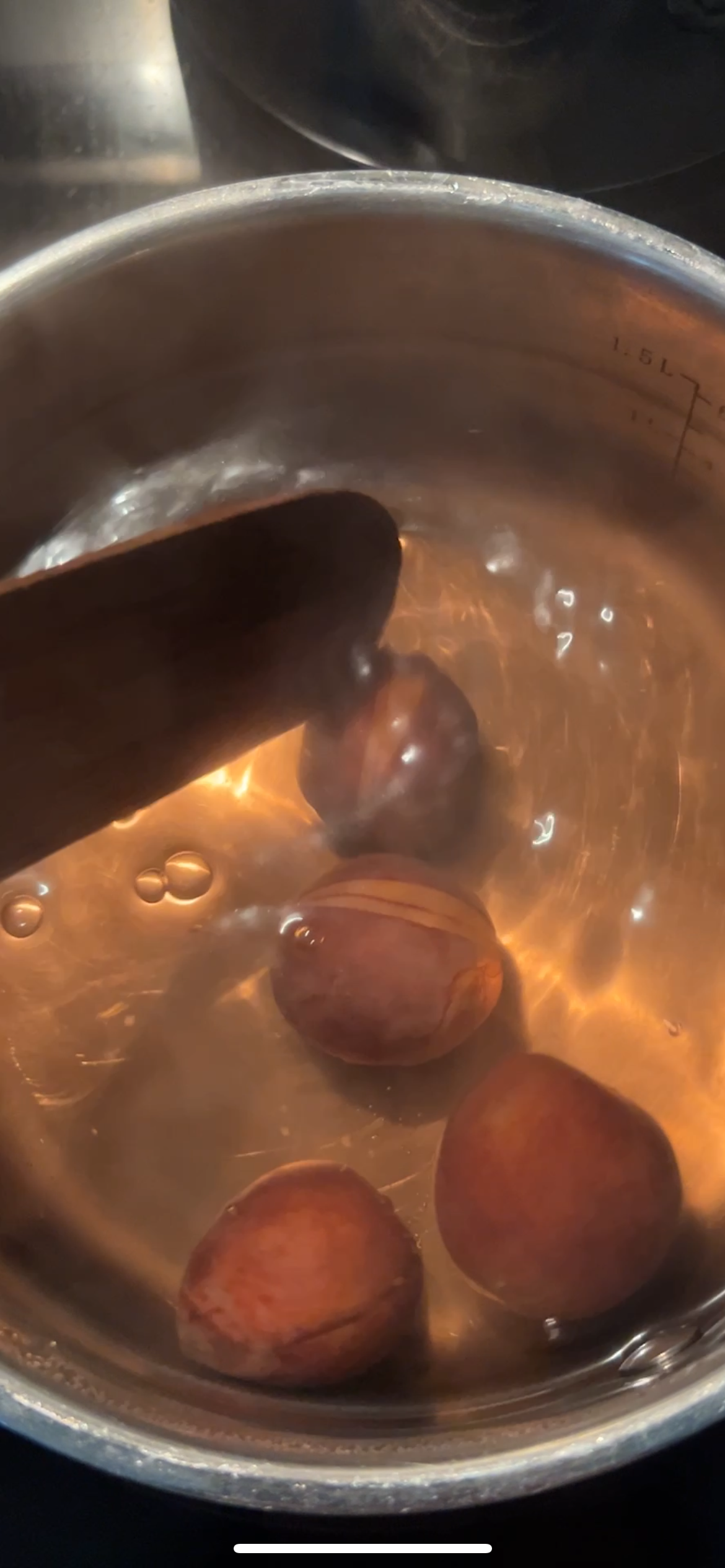
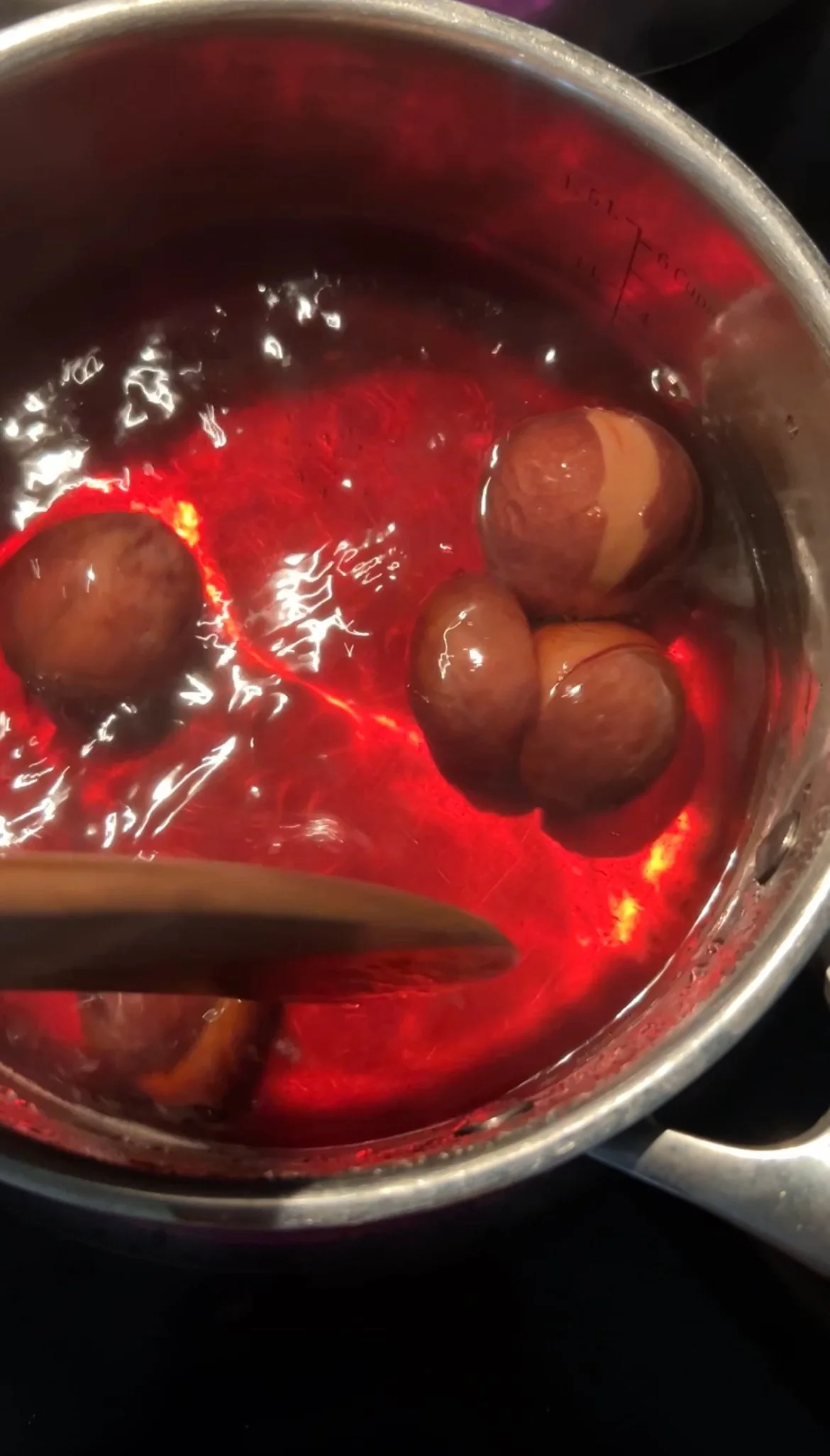
Meanwhile, toss your avocado pits in another saucepan and fill the pan with water. Bring this to a boil and then let simmer until the water is a beautiful deep reddish pink.
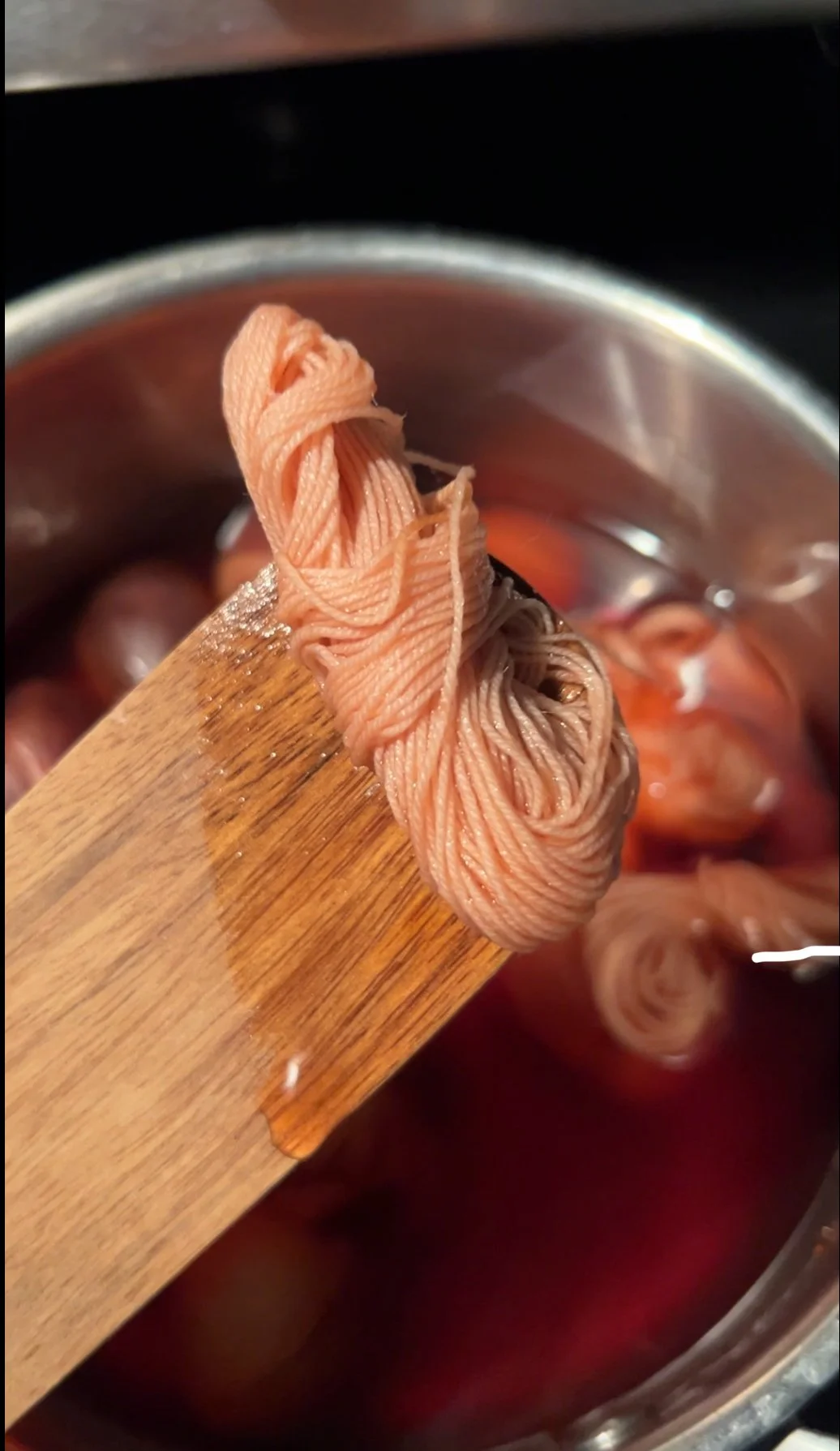
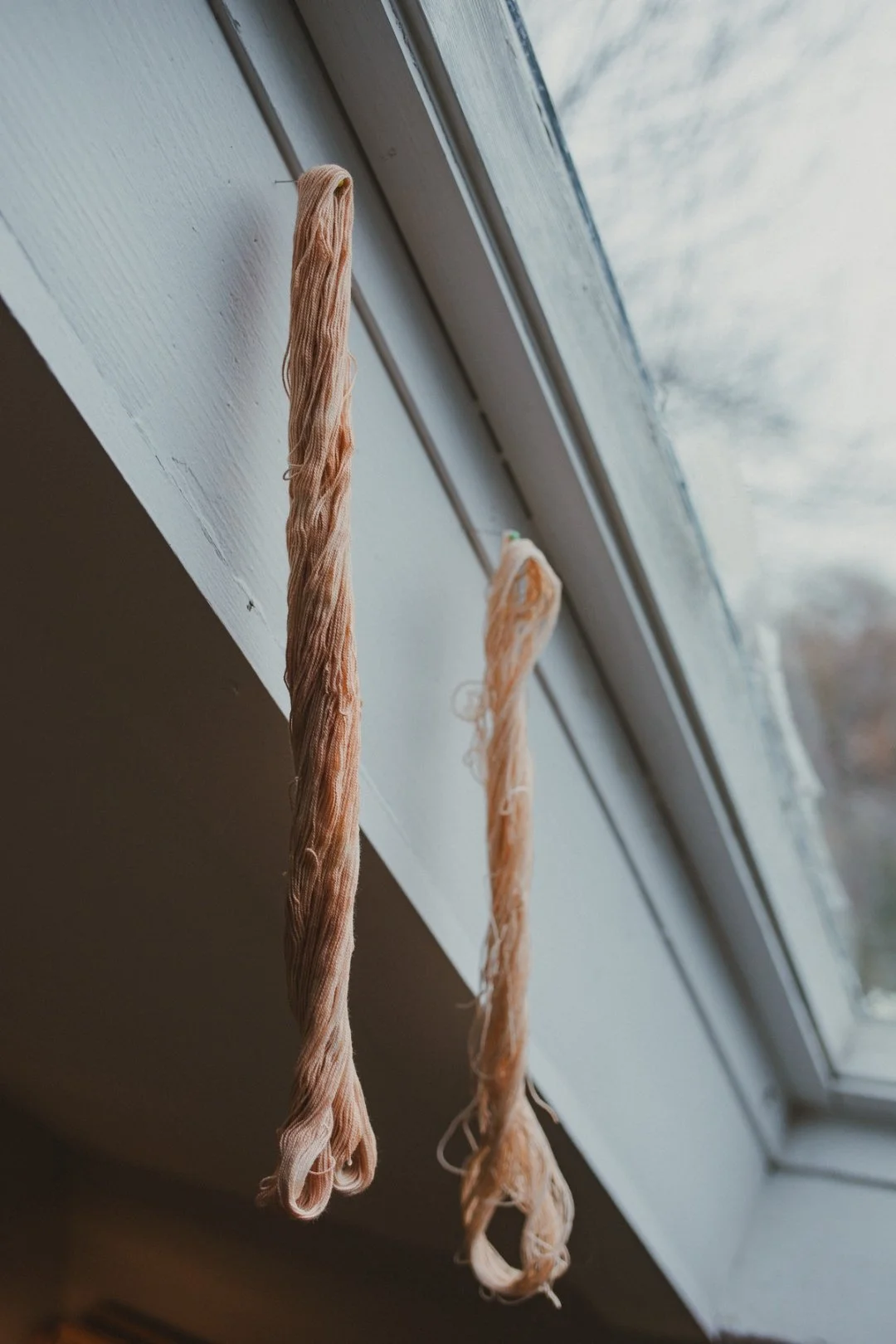
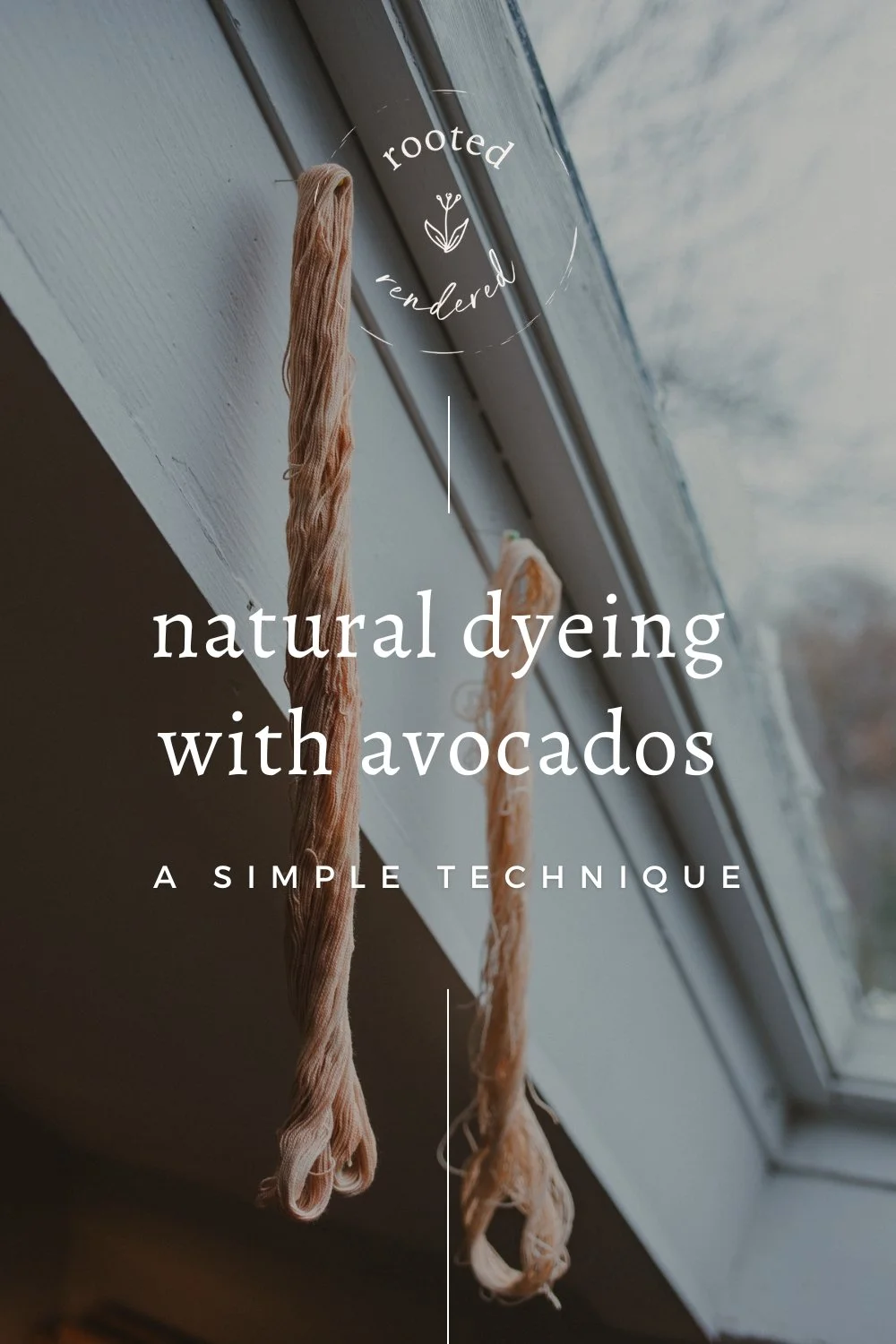
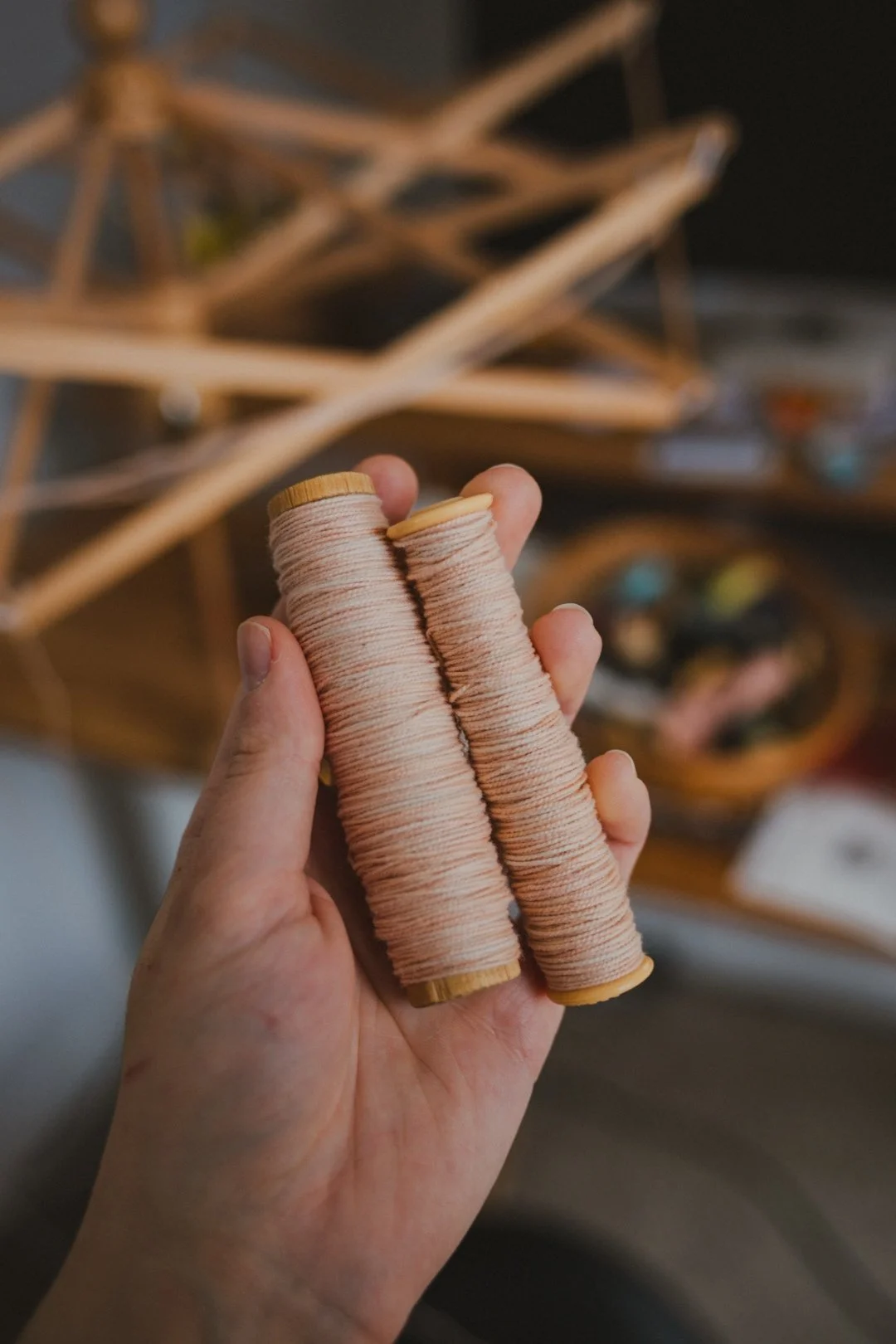
Rinse your fabric or cotton and toss into the dye pot. I left my avocado pits in there! Let your fabric simmer in the dye for another hour, and remove from heat. I let my thread soak overnight in the dye. In the morning, rinse out your fabric or thread until the water runs clear, and hang to dry. Voila!
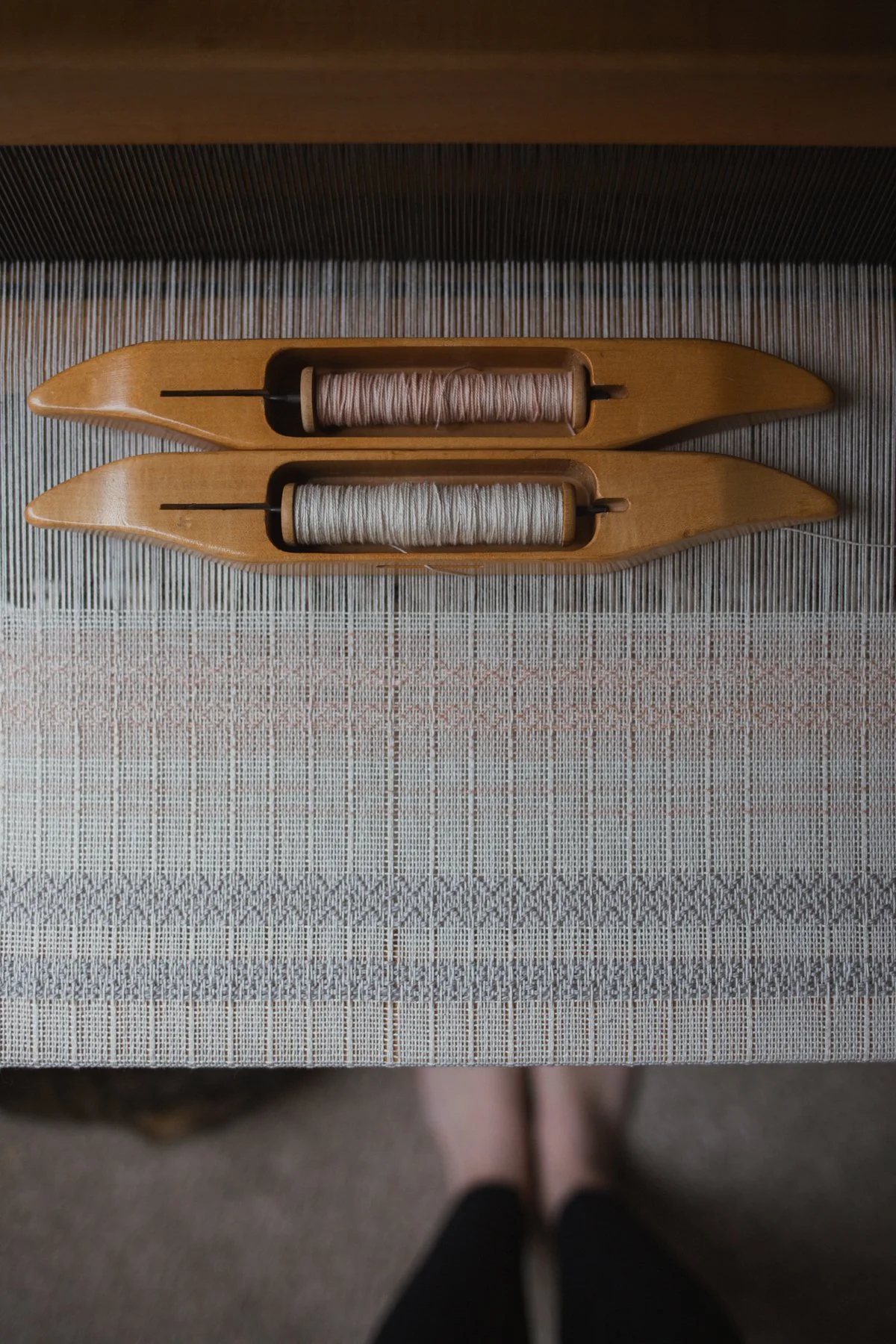
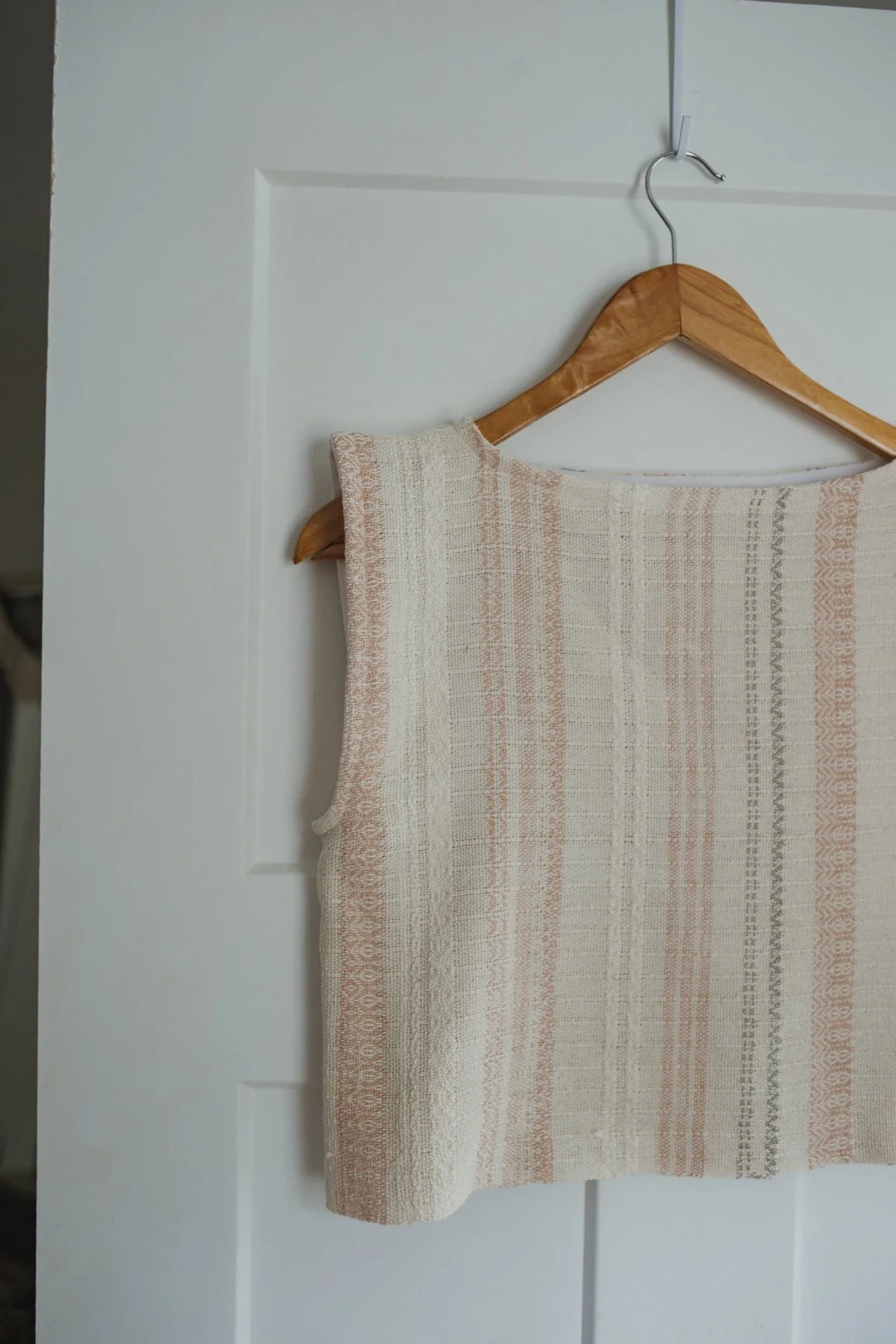
I LOVE the peachy pink that results from avocados. Over time, it will fade slightly, as is natural with natural dye, but we are pursuing that faded look anyway.
I hope this inspired you to start experimenting with natural dye! Other materials you can use are:
Black beans
Onion skins
Goldenrod
Marigolds
Turmeric
Nettles
Queen Anne’s lace
Want more ideas, updates, and inspiration? Join my email list below to get those straight to your inbox.